Trenčín 2026: Europe’s Cultural Capital Still Waiting to Be Discovered
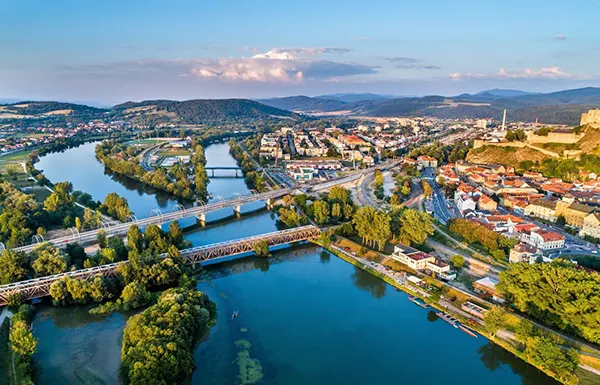
While many European cultural destinations struggle with overcrowding, Trenčín remains one of the continent’s most interesting alternatives for travellers seeking authenticity. Located in western Slovakia, this historic city has gained international attention after becoming a European Capital of Culture for 2026. Despite the growing interest, Trenčín continues to offer a relaxed atmosphere, affordable prices, and direct access to local culture without the queues commonly associated with Europe’s most visited destinations.
Why Trenčín Has Become One of Europe’s Most Interesting Destinations in 2026
The European Capital of Culture programme has transformed many cities over the years, but Trenčín enters 2026 in a unique position. Unlike larger destinations that already attract millions of visitors annually, the Slovak city is approaching its cultural year with much of its historic character intact. Visitors can still walk through the old town, visit local cafés, and explore cultural venues without facing the pressures of mass tourism.
Trenčín’s location also contributes to its growing appeal. Situated near the Czech border and connected to Bratislava, Vienna, and Prague by rail and road networks, the city is accessible while remaining relatively unknown to international tourists. This balance allows travellers to experience major cultural events without the crowds often found in more famous European capitals.
The city’s cultural calendar for 2026 combines contemporary art, music, theatre, architecture, and community projects. Rather than concentrating activities in a single district, organisers have integrated events throughout the city and surrounding region, encouraging visitors to engage with local communities and lesser-known attractions.
What the European Capital of Culture Title Means for Trenčín
The European Capital of Culture initiative is designed to highlight cultural diversity across the continent while supporting urban development through arts and creativity. For Trenčín, the title has brought investment into public spaces, cultural infrastructure, and international partnerships that will continue beyond 2026.
Several historical buildings have undergone renovation in preparation for the cultural programme. Public squares, former industrial sites, and cultural centres have been adapted to host exhibitions, performances, and educational activities. These improvements benefit both visitors and residents, creating a stronger cultural ecosystem for the region.
The programme also strengthens international visibility for Slovakia as a travel destination. While Bratislava and the High Tatras traditionally receive the majority of international attention, Trenčín provides an opportunity to showcase a different side of the country through heritage, creativity, and local traditions.
Historic Landmarks and Everyday Experiences Beyond the Main Events
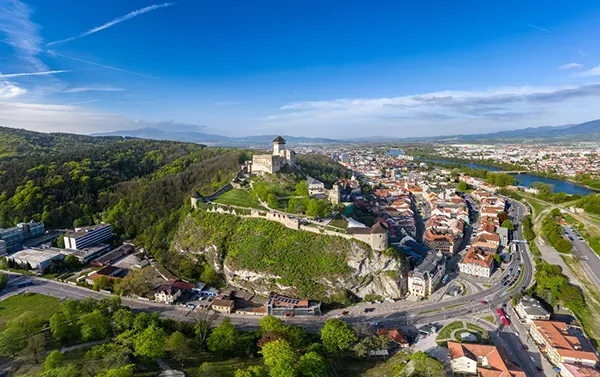
Although 2026 is defined by cultural celebrations, Trenčín’s historical attractions remain among its strongest assets. The city is dominated by Trenčín Castle, one of Slovakia’s largest and most significant medieval fortresses. Positioned high above the city, the castle offers panoramic views of the Váh River valley and preserves centuries of regional history.
Below the castle, visitors can explore the old town’s narrow streets, colourful façades, and traditional squares. Many buildings reflect architectural influences from different periods, including Gothic, Renaissance, and Baroque styles. Walking through the centre provides insight into the city’s development as an important trading and administrative hub.
Daily life in Trenčín remains one of its greatest attractions. Independent restaurants, local markets, family-owned businesses, and community events allow travellers to experience the city beyond its headline attractions. This creates a more personal connection with the destination than is often possible in heavily visited European cities.
Places Worth Visiting Outside the Historic Centre
The surrounding region offers numerous opportunities for day trips. Nature enthusiasts can explore hiking routes in the nearby White Carpathians and Strážov Mountains, while cyclists benefit from an expanding network of regional trails connecting towns and villages across western Slovakia.
Several smaller cultural sites are located outside the city centre, including galleries, heritage museums, and former industrial spaces that have been converted into creative venues. These locations play an important role in the wider European Capital of Culture programme and provide additional perspectives on regional identity.
Thermal spas and wellness facilities in the surrounding area also attract visitors seeking relaxation after exploring the city. Combined with relatively moderate accommodation costs compared with many Western European destinations, these attractions increase the appeal of a longer stay in the region.
How to Plan a Visit to Trenčín During 2026
Travellers planning a visit in 2026 should consider spending several days in the city rather than treating it as a short stop between larger destinations. The expanded cultural programme includes exhibitions, concerts, workshops, and public events scheduled throughout the year, making every season suitable for a visit.
Accommodation options range from boutique hotels in historic buildings to modern guesthouses and apartments. While demand is expected to increase during major cultural events, prices generally remain lower than in many comparable European cultural destinations. Early reservations are advisable for peak periods, particularly during summer festivals.
Public transport connections make movement around the city straightforward, while the compact historic centre is easily explored on foot. Visitors arriving from Bratislava can reach Trenčín in approximately one and a half hours by train, making it one of the most accessible cultural destinations in Central Europe.
Why 2026 May Be the Ideal Time to Visit
Many destinations become internationally famous only after years of extensive promotion and rising visitor numbers. Trenčín currently occupies a rare position where significant cultural investment has arrived before large-scale tourism has fundamentally altered the local atmosphere.
The combination of international events and authentic local life creates an experience that is increasingly difficult to find elsewhere in Europe. Visitors can attend major cultural programmes while still enjoying direct interaction with residents, independent businesses, and community initiatives.
For travellers interested in culture, history, architecture, and contemporary creativity, Trenčín offers a compelling alternative to Europe’s busiest destinations. As the city enters its year as a European Capital of Culture, it presents an opportunity to experience a place that remains genuine, accessible, and largely undiscovered by international mass tourism.
Popular articles
-
New Lucas Museum in Los Angeles:...
The Lucas Museum of Narrative Art …
-
Limassol and City of Dreams Medi...
Limassol is one of the easiest …
-
Discover Copenhagen: A Vibrant C...
Copenhagen, Denmark’s vibrant capital, effortlessly blends …