Colmar, France: Half-Timbered Houses, Canals and Alsatian Atmosphere
Colmar is one of the most recognisable destinations in the Alsace region of north-eastern France. Located between Strasbourg and Mulhouse, the town combines a rich historical heritage with distinctive architecture, picturesque waterways and strong regional traditions. Unlike many historic European towns that have undergone extensive modernisation, Colmar has preserved much of its original appearance, allowing visitors to walk through streets that closely resemble those of previous centuries. The combination of colourful half-timbered houses, narrow lanes, local gastronomy and cultural influences from both France and Germany has made Colmar one of the most visited towns in the region. In 2026, it continues to attract travellers seeking authentic experiences rather than large urban attractions.
The Historical Development of Colmar and Its Unique Identity
The history of Colmar stretches back more than a thousand years. Historical records indicate that the settlement existed as early as the ninth century, although archaeological discoveries suggest human activity in the area long before that period. During the Middle Ages, Colmar benefited from its strategic position along important trade routes connecting various parts of Europe. Merchants, craftsmen and traders contributed to the town’s economic growth, helping transform it into a prosperous urban centre.
One of the defining periods in Colmar’s development came during its membership in the Décapole, an alliance of ten imperial cities established in the Holy Roman Empire during the fourteenth century. This political and economic association strengthened the town’s autonomy and commercial importance. As wealth increased, new public buildings, churches and residential properties appeared throughout the town, many of which remain standing today.
The location of Alsace between France and Germany significantly influenced Colmar’s cultural identity. Throughout history, the region experienced multiple changes in political control. These transitions affected local language, architecture, cuisine and traditions. Modern visitors can still observe evidence of both French and German influences in everyday life, making Colmar distinct from many other destinations in France.
The Architectural Heritage of the Half-Timbered Houses
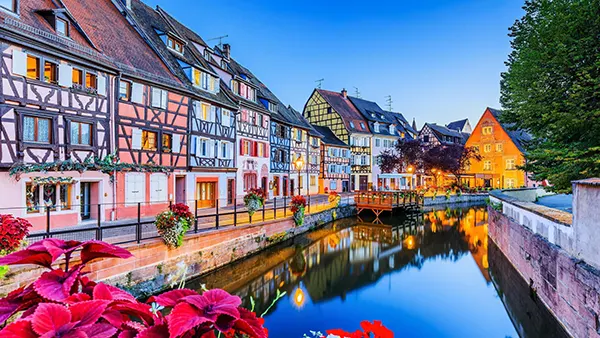
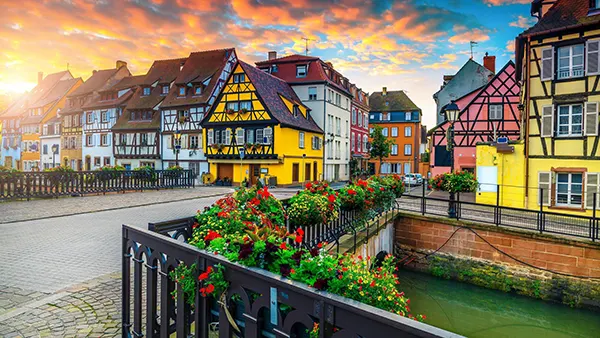
Colmar is internationally known for its remarkable collection of half-timbered buildings. These structures were primarily constructed between the fifteenth and seventeenth centuries and remain among the most photographed landmarks in the region. Their wooden frames, colourful façades and decorative details illustrate traditional building methods that were common throughout Alsace during that era.
Many of the town’s most impressive examples can be found along Rue des Marchands, one of the principal streets within the historic centre. Buildings here often feature carved timber beams, painted shutters and ornate architectural decorations. Unlike reconstructed heritage districts found elsewhere in Europe, these houses continue to serve practical purposes, accommodating residents, shops, restaurants and small businesses.
Preservation efforts have played a crucial role in maintaining Colmar’s architectural integrity. Local authorities and heritage organisations have invested heavily in restoration programmes designed to protect original materials and historical features. As a result, visitors can experience an urban environment that retains a strong connection to its past while functioning as a modern town.
The Canals of Colmar and the Charm of Little Venice
Among Colmar’s most famous attractions is La Petite Venise, or Little Venice. This picturesque district follows the course of the Lauch River and consists of narrow canals bordered by colourful houses, small bridges and flower-filled walkways. The area has become synonymous with Colmar itself and frequently appears in travel photography, tourism campaigns and regional publications.
The canals were not originally created for aesthetic purposes. During previous centuries, they served important economic functions, supporting transportation, fishing and commercial activities. Merchants used waterways to move goods through different parts of the town, while local industries relied on water access for daily operations. The layout of Little Venice still reflects these historical functions.
Today, the district offers a peaceful contrast to busier tourist destinations elsewhere in Europe. Visitors can explore the neighbourhood on foot, observing details of historic architecture while enjoying views of the waterways. The combination of reflections, flowers and colourful buildings creates a setting that changes throughout the year yet remains visually distinctive in every season.
Exploring Colmar from the Water
Boat excursions have become one of the most popular ways to experience Little Venice. Small guided boats navigate sections of the canal network, allowing passengers to view the town from a different perspective. During these tours, guides often explain the history of the waterways, local architecture and the role of the canals in Colmar’s development.
The waterfront areas are also important gathering places for residents. Numerous cafés and restaurants occupy locations beside the canals, providing opportunities to enjoy regional cuisine while observing daily life. Unlike some heavily commercialised tourist districts, many areas along the waterways maintain a balance between visitor activity and local community life.
Seasonal events further enhance the atmosphere around the canals. During spring and summer, floral displays create vibrant colours throughout the district. In winter, festive decorations transform the neighbourhood as part of Colmar’s Christmas celebrations. These seasonal changes ensure that each visit offers a slightly different experience.
Alsatian Culture, Cuisine and the Wine Tradition
Colmar serves as an excellent introduction to Alsatian culture. The region possesses a unique identity that differs from other parts of France due to its historical connections with neighbouring German-speaking territories. This cultural heritage is reflected in local festivals, architectural styles, culinary traditions and even elements of regional dialects still used by some residents.
Food plays a central role in the visitor experience. Traditional Alsatian dishes remain widely available throughout Colmar. Tarte flambée, often compared to a thin-crust flatbread, is among the region’s best-known specialities. Other local favourites include choucroute garnie, consisting of sauerkraut accompanied by various meats, and baeckeoffe, a slow-cooked casserole prepared with meat, potatoes and vegetables.
The surrounding landscape contributes significantly to the local economy through viticulture. Colmar lies near the centre of the Alsace Wine Route, one of France’s most important wine-producing regions. Vineyards extend across nearby hills, producing wines recognised internationally for their quality and distinctive character.
Colmar as a Gateway to the Alsace Wine Route
The Alsace Wine Route extends for approximately 170 kilometres and connects numerous vineyard villages throughout the region. Colmar occupies a central position along this route, making it an ideal base for travellers interested in exploring local wineries, tasting rooms and wine-producing communities.
Several nearby villages rank among the most beautiful destinations in France. Eguisheim, located only a short distance from Colmar, is known for its circular street layout and colourful houses. Riquewihr attracts visitors with its well-preserved medieval centre, while Kaysersberg combines historic architecture with impressive vineyard scenery. Each village contributes a unique perspective on regional heritage.
For visitors in 2026, Colmar remains one of the most rewarding destinations in Alsace. Its combination of historical authenticity, architectural beauty, cultural richness and access to surrounding vineyards creates a travel experience that extends far beyond sightseeing. Whether exploring medieval streets, enjoying local cuisine, cruising through Little Venice or discovering nearby wine villages, travellers encounter a town that continues to preserve and celebrate its distinctive regional character.
Popular articles
-
New Lucas Museum in Los Angeles:...
The Lucas Museum of Narrative Art …
-
Limassol and City of Dreams Medi...
Limassol is one of the easiest …
-
Discover Copenhagen: A Vibrant C...
Copenhagen, Denmark’s vibrant capital, effortlessly blends …