
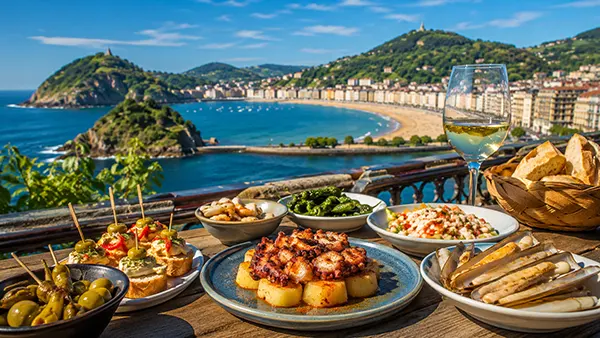
San Sebastián: A Coastal Food Route Beyond the Usual Tourist Stops
San Sebastián has long been associated with Michelin-starred dining rooms and crowded pintxos bars near the Old Town. Yet the city reveals a very different character once travellers move away from the predictable restaurant lists and guided excursions. Along the Basque coastline, small fishing districts, family-run taverns, local food markets and lesser-known seaside paths offer a more grounded way to understand the region’s culinary identity. In 2026, many visitors are choosing slower гастрономic routes focused on regional produce, seasonal cooking and neighbourhood traditions rather than social media trends or expensive tasting menus.
Morning Food Traditions Along the Basque Coast
The most authentic food experiences in San Sebastián often begin early in the morning, long before the terraces around La Concha become crowded. In neighbourhoods such as Gros and the fishing area near Pasajes, bakeries open before sunrise and prepare traditional Basque pastries including pantxineta and butter-rich brioche cakes. Local residents usually pair these with strong coffee or fresh orange juice before heading to nearby fish markets and small grocery stores.
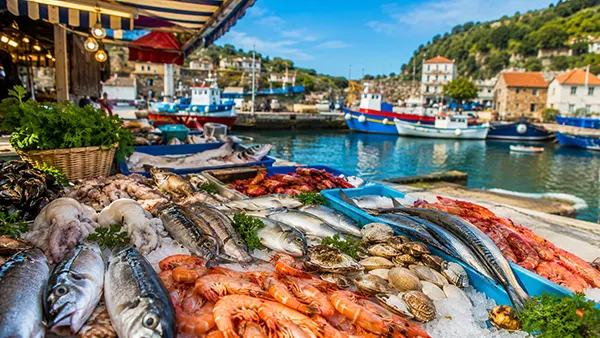
One of the most interesting alternatives to standard tourist breakfasts can be found in traditional market halls. Mercado de la Bretxa remains one of the city’s key culinary centres, especially for seafood and regional cheeses from nearby mountain villages. Traders frequently discuss seasonal catches directly with customers, and many stalls now provide small tasting portions of anchovies, cod, smoked tuna and Idiazabal cheese. These markets allow visitors to understand how strongly local cooking depends on Atlantic fishing culture.
Travelling east along the coastline toward Hondarribia also introduces visitors to smaller family-owned cider houses where breakfast and brunch menus follow regional habits instead of international trends. Fresh tortilla, grilled peppers, salted cod and local sheep milk yoghurt are common morning dishes. Unlike many central restaurants, these places rarely advertise aggressively online, yet they remain popular with residents throughout the year.
Why Local Fishermen Still Influence Modern Basque Cuisine
The fishing industry continues to shape culinary traditions across the Basque coast despite changes in tourism and restaurant culture. In ports around San Sebastián, fishing boats still arrive with hake, squid, sardines and bonito that later appear in restaurants on the same day. Many chefs maintain direct partnerships with fishermen rather than relying entirely on wholesale suppliers.
Bonito del norte remains one of the region’s most valued seasonal fish products. During summer months, restaurants often prepare it simply with olive oil, roasted peppers and tomatoes instead of heavy sauces. This approach reflects the wider Basque preference for preserving the original flavour of ingredients rather than masking them with complicated techniques.
Several smaller coastal communities also organise fish auctions that can occasionally be attended by visitors. These events provide insight into how pricing, seasonality and sustainability affect local menus. In recent years, environmental concerns have encouraged many restaurants to promote lesser-known fish species to reduce pressure on heavily demanded Atlantic stocks.
Hidden Pintxos Routes Outside the Tourist Centre
Many visitors spend their entire stay moving between famous pintxos bars around Parte Vieja, yet some of the city’s strongest food experiences exist outside these heavily photographed streets. Districts such as Egia and Antiguo have developed their own evening food culture where locals gather after work for smaller portions, regional wines and informal conversation.
Unlike central venues designed for rapid customer turnover, neighbourhood taverns often rotate menus daily depending on seasonal ingredients. Grilled mushrooms, marinated anchovies, slow-cooked beef cheeks and spider crab fillings regularly replace the more commercial pintxos found in tourist-heavy areas. Prices also tend to remain lower while portion quality stays consistently high.
Txakoli wine bars along the coastal hills are becoming increasingly important within San Sebastián’s modern dining scene. These establishments focus on local white wine produced in nearby vineyards facing the Atlantic Ocean. The wine’s natural acidity pairs especially well with seafood dishes and salted products common across Basque cuisine.
Neighbourhood Taverns Preserving Traditional Recipes
Several family-owned taverns have operated continuously for decades without major redesigns or large-scale promotion. Their interiors often remain simple, with handwritten menus, wooden counters and limited seating capacity. What keeps these places busy is consistency rather than marketing visibility.
Traditional slow-cooked dishes still occupy an important role in many taverns, particularly during colder months. Marmitako, a tuna and potato stew originally prepared by fishermen aboard boats, remains widely available in autumn. Another staple is kokotxas — delicate hake cheeks usually prepared in garlic and parsley sauce. These recipes represent practical coastal cooking rooted in local history.
In 2026, many younger chefs in San Sebastián are also revisiting older Basque recipes that nearly disappeared during the rapid growth of international tourism. Instead of focusing entirely on modern gastronomy techniques, they are restoring regional dishes connected to family traditions, rural farming and small fishing communities.
Coastal Walks Connected to Food Culture
One of the most rewarding ways to experience San Sebastián involves combining short coastal hikes with local food stops rather than planning the trip entirely around restaurants. The walking route between San Sebastián and Pasajes offers cliffs, Atlantic viewpoints and access to small seafood eateries that rarely appear in mainstream travel guides.
Further west, the route toward Getaria combines wine production, fishing traditions and ocean scenery within a relatively short distance. Getaria is particularly associated with grilled turbot cooked over open charcoal grills facing the harbour. Restaurants there often display fresh fish outside entrances before preparation begins, allowing visitors to see exactly what is available that day.
Seasonality strongly affects the coastal food landscape throughout the year. Spring brings anchovies and fresh peas, while autumn introduces mushroom dishes and stronger stews. Winter menus frequently become simpler and heavier, reflecting both weather conditions and traditional Basque eating habits. Travellers who adapt to these seasonal changes generally experience a more authentic version of regional cuisine.
How Slow Tourism Is Changing Food Travel in 2026
Recent travel trends show that many visitors are moving away from tightly scheduled restaurant lists and prioritising slower experiences connected to local communities. In San Sebastián, this shift has encouraged greater interest in market visits, fishing villages, cooking workshops and rural guesthouses rather than luxury dining alone.
Local authorities have also introduced measures aimed at protecting neighbourhood businesses from excessive tourism pressure. Some districts now limit large organised tour groups during peak hours, while smaller producers receive additional support through regional food programmes and seasonal markets.
For travellers willing to move beyond the most photographed streets, San Sebastián offers far more than its reputation for famous restaurants. The coastline continues to preserve small-scale food traditions shaped by fishing, agriculture and everyday Basque life. These quieter routes provide a deeper understanding of the region than any standard tourist itinerary can deliver.
Popular articles
-
Trenčín 2026: Europe’s Cultural ...
While many European cultural destinations struggle …
-
Colmar, France: Half-Timbered Ho...
Colmar is one of the most …
-
San Sebastián: A Coastal Food Ro...
San Sebastián has long been associated …