Cappadocia, Turkey: how to plan a journey through valleys, caves and viewpoints
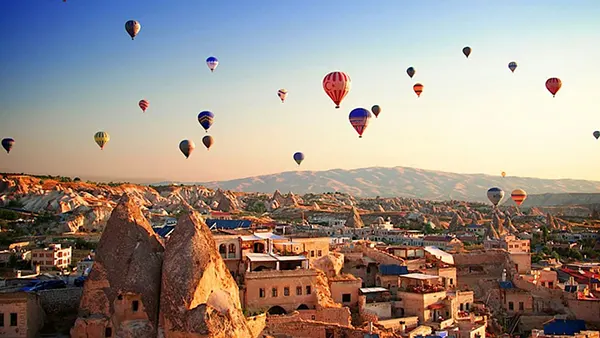
Cappadocia is one of the most distinctive regions in Turkey, known for its volcanic landscapes, cave dwellings and panoramic viewpoints shaped over thousands of years. Planning a trip here in 2026 requires a clear understanding of logistics, seasonal factors and the geography of the area. This guide explains how to organise a practical and well-structured visit, covering transport, accommodation and the most relevant locations for travellers who want to see the region beyond standard itineraries.
When to travel and how to reach Cappadocia
The most suitable periods for visiting Cappadocia are spring (April–June) and autumn (September–October). During these months, temperatures are moderate, ranging from 15°C to 25°C, which makes walking through valleys and exploring open viewpoints more comfortable. Summer can be extremely hot, often exceeding 30°C, while winter brings snow and temperatures below freezing, which may limit access to some areas but offers a different visual experience.
In 2026, the most efficient way to reach Cappadocia remains flying to either Kayseri Erkilet Airport or Nevşehir Kapadokya Airport. Kayseri is slightly larger and has more frequent connections from Istanbul and Ankara. From both airports, shuttle services operate regularly and take around 60–90 minutes to reach central towns such as Göreme or Ürgüp.
For travellers who prefer overland routes, long-distance buses connect Cappadocia with major Turkish cities. While cheaper, these journeys can take between 8 and 12 hours depending on the departure point. Renting a car is increasingly popular, especially for those planning to explore remote valleys at their own pace.
Choosing a base: Göreme, Ürgüp or Uçhisar
Göreme remains the most practical base for first-time visitors. It offers easy access to major valleys such as Love Valley, Rose Valley and Pigeon Valley, as well as a wide range of accommodation options, including cave-style hotels. Most guided tours and balloon flights also depart from this area.
Ürgüp is quieter and slightly more upscale, with boutique hotels and traditional architecture. It is better suited to travellers who prefer a less crowded environment while still being within driving distance of key attractions. Prices tend to be higher compared to Göreme.
Uçhisar is known for its elevated position and panoramic views. The Uçhisar Castle area provides one of the best viewpoints in the region, especially at sunset. Staying here is ideal for those prioritising scenery and photography over nightlife or busy tourist infrastructure.
Exploring valleys, cave sites and natural formations
Cappadocia’s landscape is the result of volcanic activity and erosion, creating formations such as fairy chimneys and layered rock structures. The valleys are best explored on foot, and each offers a different terrain and visual character. Rose Valley, for example, is known for its changing colours at sunset, while Love Valley features tall, unusual rock formations.
The Göreme Open-Air Museum is one of the most important historical sites in the region. It includes rock-cut churches dating back to the 10th–12th centuries, many of which still contain well-preserved frescoes. Entry is ticketed, and visiting early in the morning helps avoid crowds.
Underground cities such as Derinkuyu and Kaymaklı provide insight into how communities historically adapted to the environment. These multi-level complexes were used as shelters and include ventilation shafts, storage areas and narrow tunnels. Access is restricted in some sections, so comfortable clothing and footwear are essential.
Planning routes and daily itineraries
A structured itinerary helps cover more ground efficiently. A typical three-day plan may include the Göreme Open-Air Museum and nearby valleys on the first day, a southern route covering Derinkuyu and Ihlara Valley on the second day, and northern viewpoints with Uçhisar on the third day.
Walking routes vary in difficulty. Some valleys have marked trails suitable for casual hikers, while others require more attention due to uneven terrain. Carrying water, using offline maps and starting early in the day are practical considerations, especially in warmer months.
Guided tours remain a useful option for travellers with limited time. In 2026, standard “Red Tour” and “Green Tour” packages still operate, covering northern and southern highlights respectively. However, independent travel offers greater flexibility and allows more time at less crowded locations.
Viewpoints, hot air balloons and practical details
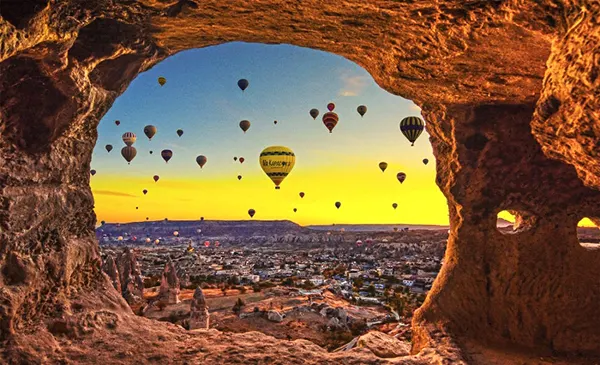
One of the defining experiences in Cappadocia is viewing the landscape from above, particularly through hot air balloon flights. These usually take place at sunrise, with prices in 2026 ranging between €150 and €300 depending on the season and demand. Weather conditions play a crucial role, and flights may be cancelled for safety reasons.
For those who prefer to stay on the ground, several viewpoints provide equally impressive perspectives. Popular spots include Sunrise Point in Göreme, Uçhisar Castle and Red Valley viewpoints. These locations are accessible without special equipment and are ideal for photography during early morning or late afternoon.
Practical preparation is essential. Comfortable walking shoes, layered clothing and sun protection are necessary throughout most of the year. Cash is still useful in smaller establishments, although card payments are widely accepted in hotels and restaurants.
Costs, safety and local considerations in 2026
Travelling in Cappadocia remains relatively affordable compared to Western Europe. Accommodation ranges from budget hostels to high-end cave hotels, with average nightly prices between €50 and €200. Food costs are moderate, and local restaurants offer traditional dishes such as testi kebab and gözleme.
Safety levels in Cappadocia are generally high. Standard precautions apply, particularly when walking in remote valleys or exploring less frequented areas. It is advisable to inform someone of your route if travelling alone and to avoid unmarked paths after dark.
Tourism infrastructure continues to improve in 2026, with better road access and expanded transport options. However, preserving the natural and historical environment remains a priority, so visitors are expected to follow local guidelines, avoid damaging rock formations and respect protected sites.
Popular articles
-
Cappadocia, Turkey: how to plan ...
Cappadocia is one of the most …
-
Sintra (Portugal): Palaces and P...
Just thirty kilometres west of Lisbon …
-
Great Wall of China: Which Secti...
The Great Wall of China stretches …