
Outer Islands Seychelles: The Untouched Northern Reaches of the Indian Ocean
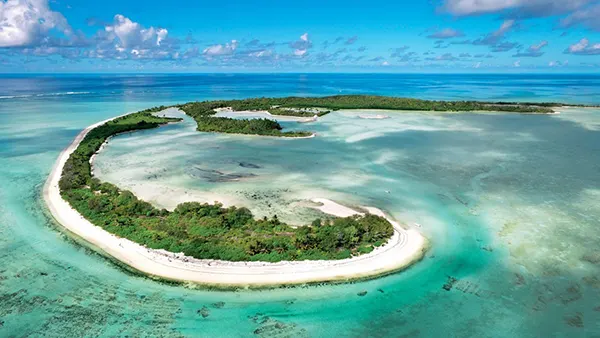
The northern segment of the Outer Islands of Seychelles represents one of the least disturbed marine regions in the Indian Ocean. This remote archipelagic zone lies far beyond the central islands, forming a constellation of coral atolls, sand cays and reef systems that remain largely unaffected by large-scale tourism or coastal development. As of 2025, this area is recognised for its ecological significance, scientific value and strict conservation status, making it a rare example of how the natural oceanic environment evolves when human impact is kept to a minimum.
Geographical Setting and Natural Isolation
The northern Outer Islands extend hundreds of kilometres from Mahé, positioned on the Seychelles Plateau’s edge and reaching into deep-ocean ecosystems. These islands include notable formations such as Bird Island, Denis Island and the exposed edges of the Amirantes region. Their position outside the granitic core results in ecosystems shaped by oceanic currents, nutrient flows and seasonal climatic patterns. The combination of remoteness and difficult access has preserved their original character.
Most islands in this group are low-lying coral platforms surrounded by reef rims and expansive lagoons. Their landscapes are dominated by coastal shrubs, salt-tolerant vegetation and isolated patches of woodland. The physical structure varies from narrow sandbars that shift seasonally to larger atolls with stable landmass. These characteristics support distinct ecological niches not present in more populated regions of Seychelles.
Limited infrastructure and controlled visitation policies contribute to the absence of large-scale human influence. Conservation zones and scientific monitoring programmes help maintain the islands’ baseline environmental conditions. As a result, researchers often highlight this area as a reference point for studying long-term climate variations, coral resilience and seabird dynamics in the western Indian Ocean.
Marine Systems and Reef Complexity
The surrounding ocean supports an intricate coral reef network shaped by warm equatorial waters and consistent sunlight. These reefs demonstrate a mixture of hard coral species, reef-building organisms and sheltered nurseries for juvenile fish. Compared with central Seychelles, reefs here exhibit higher variability in depth, gradient and exposure to open-water currents, enhancing biodiversity and ecological stability.
Pelagic zones beyond the reefs host migratory species such as tuna, sailfish and various shark populations, including grey reef and silvertip sharks. Their seasonal movement patterns provide valuable data for long-term wildlife research. The relatively undisturbed water column allows scientists to track population behaviour without interference from vessel traffic or industrial activity.
The lagoon systems around the northern islands serve as essential habitats for crustaceans, molluscs and reef fish recruitment. Seagrass patches support turtle foraging grounds, particularly for green turtles whose nesting activity has been steadily recovering through protection measures. These intact marine environments play a crucial role in sustaining regional biodiversity and offering insight into natural ocean dynamics.
Wildlife Significance and Conservation Priorities
The northern Outer Islands are critical for seabird colonies, with several species maintaining large breeding populations due to the absence of predators and limited disturbance. Bird Island, for example, remains a stronghold for sooty terns whose numbers reach millions during peak nesting periods. This concentration makes the region an important monitoring site for long-term avian population trends across the Indian Ocean.
Marine turtles—particularly hawksbill and green turtles—use the untouched beaches for nesting throughout the year. Their nesting numbers have shown gradual increase following decades of strict protection. Long-term tagging and monitoring programmes contribute to the understanding of migration pathways and survival rates, allowing authorities to refine conservation strategies.
The absence of disruptive land use has encouraged the growth of endemic vegetation, including coastal flora resilient to salt and wind exposure. These plants stabilise soil, support insect communities and provide nesting sites for bird species. Environmental specialists often emphasise that the region’s conservation value lies not only in its wildlife, but also in the ecological processes that remain uninterrupted.
Human Presence and Sustainable Management
The northern Outer Islands maintain deliberate limits on human presence. Permanent residents are rare, and activity is mainly restricted to scientific teams, conservation staff and carefully regulated eco-operations. This controlled framework prevents habitat degradation, reduces pollution risks and ensures that long-term research remains accurate and representative.
Management plans implemented by the Seychelles Islands Foundation and other conservation authorities prioritise low-impact practices. Field stations rely on renewable energy sources, minimal-waste policies and restricted boat traffic. These measures align with national objectives to protect over 30% of Seychelles’ marine territory under Marine Protected Areas as of 2025.
Collaborative monitoring programmes with international researchers provide data on coral health, water quality and species movement across the broader western Indian Ocean. Such cooperation helps establish baselines for climate resilience and informs decision-making on sustainable management. The northern islands therefore serve as an active model for nature-focused governance in oceanic environments.
Scientific Importance and Future Observations
The northern Outer Islands function as natural laboratories due to their isolation and stable ecological conditions. Scientists value these islands as benchmarks for measuring environmental change, particularly in relation to coral bleaching cycles, sea-surface temperature fluctuations and ocean acidification. Their relatively undisturbed ecosystems highlight natural resilience patterns that assist regional planning.
Climate research conducted in this region focuses on the interaction between warm currents and shifting monsoon systems. Data collected over multiple decades reveal patterns in coral recovery, seabird behaviour and nutrient distribution. Such information is essential for forecasting how island ecosystems may evolve under future climatic pressures.
As Seychelles continues investing in marine protection and sustainable policies, the northern Outer Islands are expected to retain their role as reference points for scientific observation. Controlled access, consistent monitoring and international collaboration ensure that this area remains one of the most informative natural environments in the Indian Ocean.
Long-Term Value and Environmental Outlook
Preservation of these islands is closely tied to maintaining ecological integrity across the wider archipelago. By protecting undisturbed habitats, conservation authorities safeguard species diversity, genetic resources and natural processes that influence broader regional systems. This approach creates a long-term foundation for environmental resilience.
Future research is likely to expand into advanced oceanographic studies, tracking deep-water temperature changes and analysing shifts in pelagic species distribution. With improved monitoring technology, scientists can gather more detailed insights into how open-ocean ecosystems respond to global climate developments. This work strengthens preparedness for future challenges.
The northern Outer Islands, with their combination of isolation, scientific value and ecological richness, are expected to remain essential for understanding environmental change in the Indian Ocean. Their continued protection ensures that this unique region retains its relevance for marine science, conservation strategy and long-term ecological assessment.
Popular articles
-
Cappadocia, Turkey: how to plan ...
Cappadocia is one of the most …

-
Sintra (Portugal): Palaces and P...
Just thirty kilometres west of Lisbon …
-
Great Wall of China: Which Secti...
The Great Wall of China stretches …