
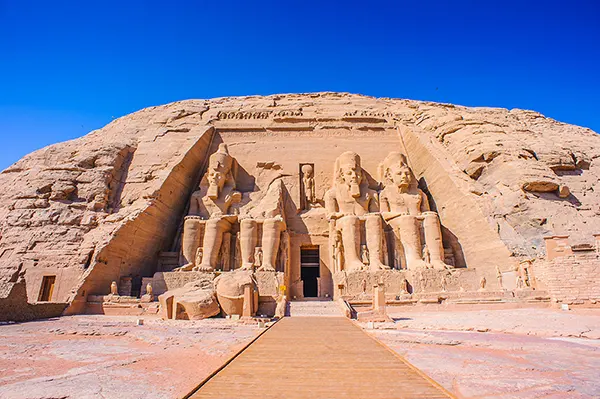
Abu Simbel, Egypt: how to organise the trip and catch the best light
Abu Simbel is one of those places where planning genuinely changes the experience: the temples sit far south of Aswan, the day starts early if you travel by road, and the light can flip from flattering to harsh in under an hour. This guide focuses on practical choices—tickets, timings, transport, and on-site rhythm—so you can arrive when the façades read well in photographs, the interiors are comfortable to visit, and you are not rushing the Small Temple dedicated to Nefertari.
Planning basics: tickets, opening hours, and what changes on key dates
Start by checking official hours and ticket rules before you lock anything else in. The Ministry of Tourism and Antiquities lists Abu Simbel’s visiting hours as 06:00–17:00, and it also shows a different ticket level on the two sun-alignment days in February and October. That matters because those dates attract larger crowds and a tighter security and traffic pattern in the town, so your transport timing and buffer time become more important than on an ordinary morning.
Ticket pricing can appear in more than one “official” place, so treat the figure you pay as the final reference. The Ministry’s monuments page lists one set of prices for foreigners and students, while the official online booking flow can show a higher amount at checkout. In practice, the difference is not something you fix on the day; you simply plan your budget using the booking figure, and keep a little extra for parking, small purchases, and any guided support you decide to use.
Give yourself enough on-site time. A rushed visit usually means you only see the Great Temple’s façade and main hall, then skim the Small Temple. A realistic, unhurried visit typically needs at least 2.5–3 hours inside the archaeological area (not counting the drive), especially if you want to step back, let groups pass, and look at relief scenes without someone’s torch in your eyes.
What to know before you pay: documents, timing buffers, and practical comfort
Carry your passport or a clear copy and keep it accessible during the travel day. Even when everything is smooth, the route and the site operate with a security mindset because of the border-region geography. Hotels and drivers in Aswan are used to this and can tell you what is currently required, but you will move faster if you have ID ready and avoid digging through bags at checkpoints.
In 2026, heat management is still the make-or-break factor for comfort. From late spring through early autumn, midday can feel relentless because you are on open rock, open paving, and bright sand with limited shade. Pack water you can actually finish (not just a token bottle), a hat that stays on in wind, and sunglasses with decent glare reduction—your eyes will thank you inside the temples where you move from bright exterior to dim interiors repeatedly.
Build buffers on both ends of the visit. On the way in, you may lose time to stops or a slow convoy of tour vehicles. On the way out, the most common delay is simply that you are enjoying it and leaving later than planned. If you have a flight, a Nile cruise connection, or a fixed train in Aswan the same day, the stress can overshadow the visit, so schedule Abu Simbel as the main event of that day whenever possible.
How to get there from Aswan: road trips, flights, and where each option works best
Overland travel from Aswan remains the standard choice for most visitors because it is straightforward and fits a day-trip shape. The distance is roughly 280 km each way, and road timing is commonly in the 3–4 hour range depending on stops and traffic. Tours usually leave very early so they arrive close to opening and return to Aswan by early afternoon, which also avoids the most punishing heat months’ midday peak.
Flying can be the right option when you want a later start, you are travelling with someone who struggles with long drives, or you are trying to protect energy for a packed Egypt itinerary. Door-to-door time is not just flight time; you have hotel-to-airport transfers, check-in, and waiting. Still, if flights align with your schedule, this can reduce fatigue and give you a calmer visit window.
A third approach—less common, but memorable—is reaching Abu Simbel via Lake Nasser itineraries. The advantage is that Abu Simbel becomes part of a slower rhythm rather than a single long dash from Aswan. The trade-off is that these itineraries are less flexible and more season-dependent, so you plan around the cruise schedule rather than around the light.
Picking the best option for light: when arrival time matters most
If your priority is exterior photography, arriving early is the simplest win. The façades read best when the sun is still low and the light has shape: shadows define the colossal statues rather than flattening them. This is why early road departures are popular—they are not only about beating crowds; they are about reaching the site while the rock still looks textured and warm rather than washed out.
If you mainly care about the interiors and reliefs, you can be more flexible, but you still want to avoid the harshest part of the day for comfort. The interior halls are dimmer and more forgiving for the eye, yet the transition from blazing sun to dark corridors is tiring when you are overheated. A late-morning arrival can work well in cooler months, while in hotter months you will feel better if you finish interiors before the strongest midday glare.
If you want the sun-alignment experience, treat it like an event day, not like a standard tour day. Crowds, a special ticket level, and tighter timing make it less forgiving. Many travellers aim to be in Abu Simbel well before sunrise and accept that the day is about the moment, not about leisurely wandering—then they return to Aswan once the site settles down.
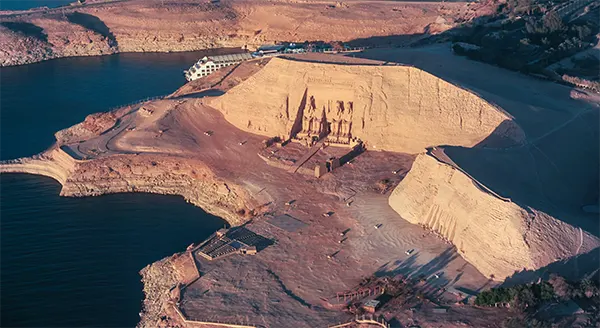
When the light is best: façade angles, interiors, and the sun-alignment days
On an ordinary day, the most reliable “good light” window for the façades is early morning. The Great Temple’s seated colossi and the smaller figures around them show better depth when the sun is lower. Later, the rock colour can turn pale and contrasty in photographs, especially in summer, when the brightness can make the carvings look flatter than they are in person.
Inside, the best approach is less about a single hour and more about your own pacing. The trick is to let groups pass so you can stand still and read the relief scenes without constant movement and chatter. You will get more from the temples if you plan micro-pauses: step aside, wait for a gap, then take a slow look rather than pushing forward with the crowd flow.
The two famous alignment days—22 February and 22 October—are worth planning for if you like the idea of a precise natural phenomenon rather than only architecture. On those mornings, the sun’s rays travel through the Great Temple and illuminate the innermost statues, while one figure remains in shadow. Even if you do not chase the exact alignment, these dates still influence travel logistics because visitor numbers spike and local organisation shifts accordingly.
How to enjoy the site without fighting crowds (and still leave with strong photos)
Choose one clear priority and build the visit around it: façades, interiors, or the alignment. If you try to do all three at peak times, you will spend more energy negotiating people than actually looking. A simple method is to do exterior shots first while the light is kind, then move inside once the sun rises and exterior contrast becomes harsher.
Do not neglect the Small Temple. It is visually different, it is often calmer than the Great Temple, and it tells a different story—dedicated to Hathor and Nefertari, with statues of the queen on the façade at a scale that is rare in ancient Egyptian monuments. Many visitors spend too little time here because they assume the Great Temple is “the whole point”, then later realise the smaller one was the more intimate experience.
For an alternative light experience, consider the evening sound-and-light show if your itinerary allows an overnight in Abu Simbel. The projection changes the feel of the rock-cut façades, and the atmosphere is calmer than the busy daytime peak. It is not a replacement for daylight detail, but it can be a strong second visit that gives you a different memory of the same place.
Popular articles
-
Cappadocia, Turkey: how to plan ...
Cappadocia is one of the most …

-
Sintra (Portugal): Palaces and P...
Just thirty kilometres west of Lisbon …

-
Great Wall of China: Which Secti...
The Great Wall of China stretches …