Burj Khalifa (Dubai): the world’s tallest building through a tourist’s eyes
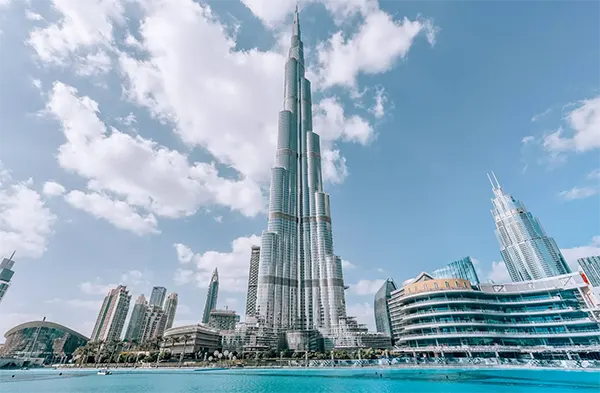
The Burj Khalifa is more than a record-breaking skyscraper. For travellers arriving in Dubai, it represents ambition, modern engineering and a carefully designed visitor experience. Rising above the city at 828 metres, the tower has become a reference point not only on maps, but also in the daily rhythm of Downtown Dubai. From the first view across Sheikh Zayed Road to the moment you step inside, the building feels deliberately created for people, not just statistics.
First impressions and architectural context
Approaching the Burj Khalifa on foot gives a sense of scale that photographs rarely capture. The surrounding district is open and planned, with wide walkways, fountains and clear sightlines that draw attention upwards. The tower’s Y-shaped footprint, inspired by the Hymenocallis flower, is not an abstract design choice but a practical solution for stability and light distribution.
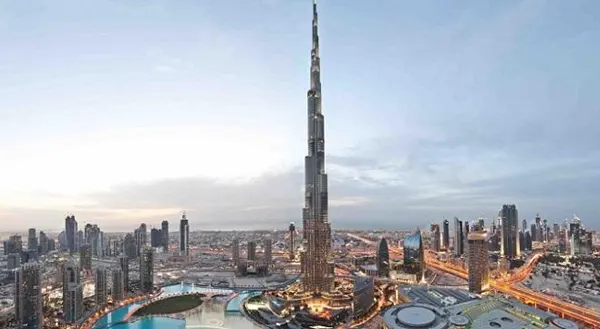
What stands out is how the building fits into its environment. Despite its height, it does not overwhelm the area visually. Instead, it anchors the skyline, with lower towers and the Dubai Mall arranged around it. This urban planning approach makes the Burj Khalifa feel accessible rather than distant.
For tourists, the experience begins long before entering the building. Evening lighting, seasonal projections and the sound of the Dubai Fountain create a sense of occasion. Even visitors who do not plan to go up often spend time here, simply observing how the space is used by residents and travellers alike.
Design features that matter to visitors
The exterior design is not only aesthetic but functional. The stepped setbacks reduce wind load, which directly affects comfort inside observation decks. Large reflective panels help manage heat, an essential factor in Dubai’s climate.
Inside, the public areas are intentionally understated. Materials such as stone, glass and brushed metal create a calm atmosphere, avoiding the impression of excess. This design choice helps manage large visitor flows without making the space feel crowded.
Clear signage and intuitive layouts are noticeable advantages. Even during peak hours, movement through ticketing, security and lifts feels organised, which is critical for a building that welcomes millions of visitors each year.
Observation decks and the viewing experience
The main reason most tourists enter the Burj Khalifa is the view. Observation levels are located on floors 124, 125 and 148, each offering a different experience. Floors 124 and 125 are the most accessible, while level 148 provides a more controlled, quieter visit.
The ascent itself is part of the attraction. High-speed lifts reach the lower observation deck in under a minute, accompanied by multimedia displays explaining the tower’s construction and Dubai’s development. This contextual information adds value beyond the panorama.
Once at the top, the scale of the city becomes clear. On a clear day, the desert, coastline and neighbouring districts are visible. The contrast between dense urban planning and open sand highlights how Dubai has expanded in a relatively short period.
Best times and practical considerations
Timing affects the experience significantly. Late afternoon tickets allow visitors to see the city in daylight, at sunset and after dark. This option is popular and often more expensive, but many travellers consider it worthwhile.
Morning visits are usually quieter and provide clearer visibility, especially in winter months. Heat haze can reduce clarity during summer afternoons, which is worth considering when planning a visit.
Allowing sufficient time is important. Although the viewing itself may take an hour, queues, security checks and lift access can extend the total visit. Planning around meal reservations or fountain shows nearby helps avoid unnecessary rush.
Beyond the view: dining, atmosphere and surroundings
The Burj Khalifa is not limited to observation decks. It houses offices, private residences and the Armani Hotel, which occupies several lower levels. For tourists, dining options are often as appealing as the views.
Restaurants within or directly facing the tower range from casual cafés to fine dining. At.mosphere, located on level 122, is among the highest restaurants in the world and is often booked weeks in advance.
Even without entering the tower, the surrounding area offers a complete evening programme. The Dubai Fountain shows run regularly, and the nearby Dubai Mall provides extensive dining and shopping options.
Is the Burj Khalifa worth visiting?
From a practical perspective, the Burj Khalifa delivers what it promises. The experience is structured, informative and visually impressive without relying on exaggeration. For first-time visitors to Dubai, it offers a clear overview of the city’s scale and layout.
For repeat travellers, the value depends on personal interest. Those interested in architecture, engineering or urban development often find new details with each visit. Others may prefer to enjoy the tower from ground level, where its presence is just as striking.
Ultimately, the Burj Khalifa functions as both a landmark and a working building. Seeing it through a tourist’s eyes means recognising not only its height, but also how carefully the visitor experience has been planned and maintained.
Popular articles
-
New Lucas Museum in Los Angeles:...
The Lucas Museum of Narrative Art …
-
Limassol and City of Dreams Medi...
Limassol is one of the easiest …
-
Discover Copenhagen: A Vibrant C...
Copenhagen, Denmark’s vibrant capital, effortlessly blends …